The Magdalenian
14,500 – 18,000 yrs ago · 18 sites
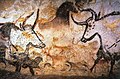
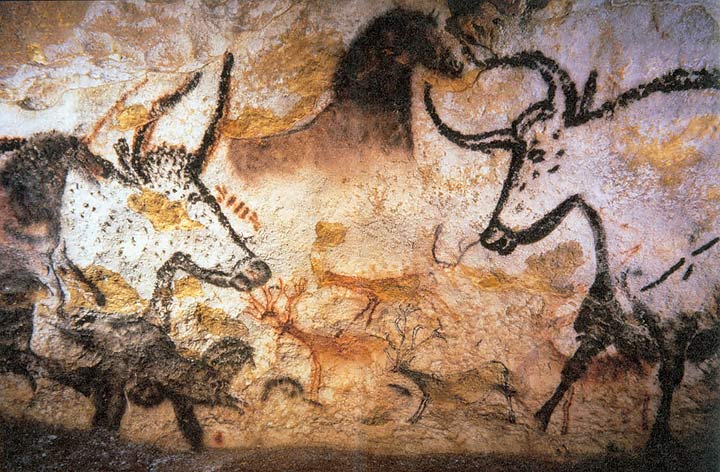
The golden age of the painted cave. Lascaux's great bulls, Font-de-Gaume's bison and the haunting sorcerer of Les Trois-Frères belong to this flowering of Ice Age culture at its most elaborate and profound.
The World Then
Ice-age Europe at its cultural peak. Reindeer and salmon feed dense, settled bands below the glaciers; antler, bone and flint work reach exquisite refinement; and the painted sanctuaries reach their deepest and most deliberate.
The Art
This is the age of the great compositions: the Hall of the Bulls at Lascaux, the painted bison of Font-de-Gaume, sculpted friezes like Cap Blanc where horses rise half out of the rock. Artists borrow the cave's own bulges and hollows as anatomy, painting for lamplight in which the beasts would seem to move.
What They Depicted
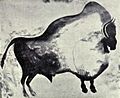
Horses and bison dominate — the twin pillars of the Magdalenian imagination — with deer, ibex and the rare, unsettling part-human figures like the Sorcerer of the Trois-Frères. Signs and dot patterns multiply: a code that still refuses translation.
Seeing It Today
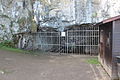
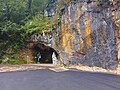
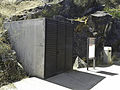
Lascaux itself is sealed, but Lascaux IV reproduces its halls to the millimetre; Font-de-Gaume, in the original, admits a handful of visitors a day and rewards an early booking. The Vézère valley packs a dozen decorated caves into one walkable landscape.