The Last Glacial Maximum
18,000 – 25,000 yrs ago · 19 sites
Art at the coldest depth of the Ice Age. As glaciers pushed people into southern refuges, engravers worked the open-air valley of the Côa, painters spotted the horses of Pech Merle, and hunters filled the shelters of Serra da Capivara.

The World Then
The Last Glacial Maximum — the coldest trough of the whole ice age. The ice sheets reach their furthest, Europe's north empties, and humanity crowds into southern refuges where art keeps burning through the long dark.
The Art
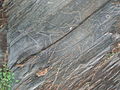
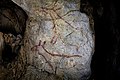
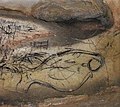
Under pressure, invention: Solutrean knappers strike laurel-leaf blades of impossible delicacy while sculptors carve monumental friezes like Roc de Sers. In the open air of the Côa valley, engravers work stroke upon stroke by the thousand; at Pech Merle a painter dots two horses with a pattern that ignores real hide and follows some inner music instead.
What They Depicted
Horses, aurochs and ibex remain the core, now joined by the spotted and the stencilled — Pech Merle's dappled horses ringed by hand prints. In Brazil's Serra da Capivara, hunters and dancers tumble across the shelter walls with startling energy.
Seeing It Today
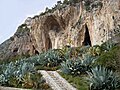
The Côa valley runs jeep tours to its open-air panels — ice-age engravings you can study in daylight, no cave required. Pech Merle caps its daily visitors, but the spotted horses justify the booking race; Serra da Capivara's park roads reach hundreds of painted shelters.