Bronze & Iron Ages
2,500 – 4,500 yrs ago · 9 sites
Metal, ships and warriors enter the picture. Scandinavian coastal rocks fill with fleets and axe-bearers, while in southern China whole cliff faces above the river become murals of drummers and dancers.
The World Then
Metal changes everything it touches. Bronze, then iron, arms warriors and fells forests; trade routes stitch continents together; and on the rocks, for the first time, we see ships with crews, wheeled wagons and duels between armed men.
The Art
Carving dominates — thousands of figures hammered into glacier-smoothed panels in Scandinavia, painted friezes above the Mekong, giant figures cut into English chalk and American desert pavement. Compositions grow crowded and narrative, closer to a saga than a symbol.
What They Depicted
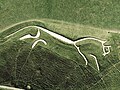
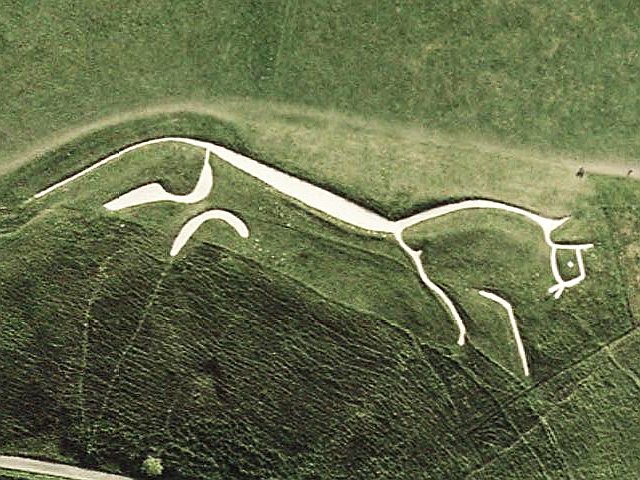
Ships appear obsessively at Tanum — whole fleets of them, crewed by tiny oarsmen. Axe-bearers, sun wheels, ploughing scenes and long-horned cattle mark a world of farmers and chiefs, while the Uffington horse distils a whole animal into a dozen flowing lines.
Seeing It Today
Tanum's panels, painted in for visibility, are a short walk from its museum; Uffington asks only for a hilltop stroll. Blythe and Writing-on-Stone are protected Indigenous sacred grounds — view them from the marked paths.